Work Unions: Their History and Their Importance
Labor Unions – The Organization of the Dispossessed
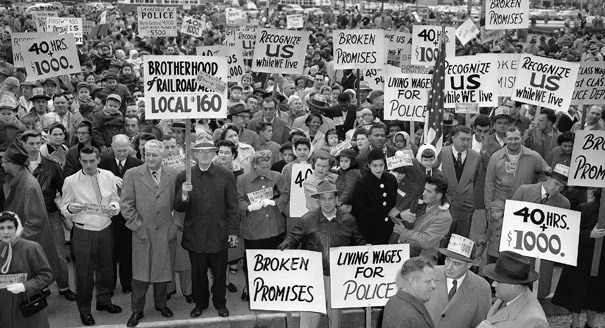
"The union is not a political machine; it is an organization of the workers for the protection of the workers."
Article II (Right to a Dignified Life) lists "meaningful work at a living wage, with the right to organize and bargain collectively" as a fundamental entitlement. That right was not granted. It was won, with strikes, sacrifice, and lives.
This post traces labor's roots from medieval craft guilds through the Industrial Revolution, Catholic social teaching (Rerum Novarum, 1891), the Industrial Workers of the World (Wobblies), the Congress of Industrial Organizations (CIO) sit-down strikes of the 1930s, and the Memphis sanitation workers' strike of 1968. Each wave of organizing forced capital to share power.
Today, union drives at Amazon, Starbucks, and in the gig economy continue this struggle. Our movement champions organized labor not just as a policy preference, but because Article III (Eco-Socialism as Sacred Duty) demands that we dismantle extractive capitalism and replace it with worker-owned, community-rooted economies.
Connection to Our Charter
Labor unions embody Article II's Right to a Dignified Life by securing living wages and collective bargaining power. Their historical struggle informs Article III's vision of Eco-Socialism, demonstrating that worker ownership and community-rooted economies are achievable through organized solidarity.
Further Reading & Resources
-
AFL-CIO Labor History Timeline
Comprehensive timeline of American labor history.
-
Industrial Workers of the World archive
Historical archives of the Wobblies and radical labor organizing.
-
Catholic Social Teaching on Labor – Rerum Novarum overview
Summary of the 1891 papal encyclical on labor rights.