Taxing the Rich: FDR's Taxation to Fund the New Deal
Taxing the Rich – The New Deal Model
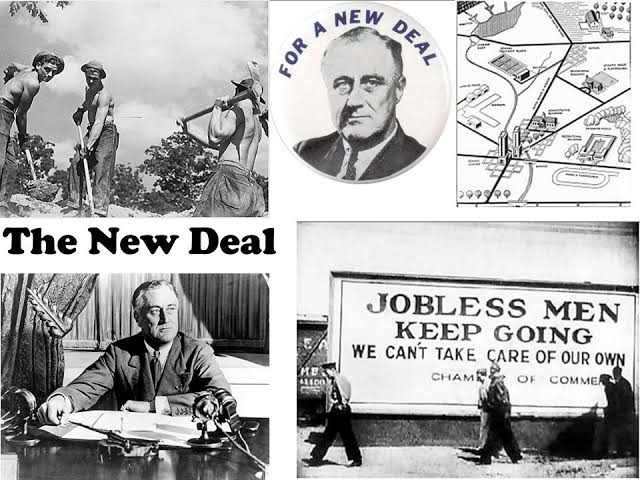
"Here is my principle: Taxes shall be levied according to ability to pay."
From 1941 to 1963, the top marginal income tax rate in the United States was never below 91%. Those revenues helped finance the New Deal's Social Security, the Works Progress Administration (WPA), and the postwar infrastructure boom. This is not a radical fantasy. It is recent American history.
Article III (Eco-Socialism) insists that the public purse can fund paradise: universal healthcare, free education, green transit, and affordable housing. Article VIII (Transparent, Multi-Entity Finances) applies the same principle to our movement's own accounting.
The Revenue Acts of 1935 and 1942 provide a concrete, historical model for how a just taxation system can build a dignified life for all. When we demand a Green New Deal 2.0, we are standing in the direct lineage of FDR's tax policy.
Connection to Our Charter
FDR's progressive taxation model demonstrates the practical implementation of Article III's Eco-Socialism vision. By taxing wealth according to ability to pay, society can fund universal healthcare, education, and infrastructure—the concrete foundations of Article II's Right to a Dignified Life.
Further Reading & Resources
-
Historical tax rates (Tax Policy Center)
Data on historical U.S. marginal income tax rates.
-
The National Labor Relations Act (National Archives)
Official documentation of the landmark labor rights legislation from the New Deal era.
-
Billionaire-tax backers have enough signatures to qualify for ballot
Recent efforts to implement progressive taxation at the state level.