James Baldwin & His Ideology on Civil Rights
James Baldwin – "The Impossible Task"
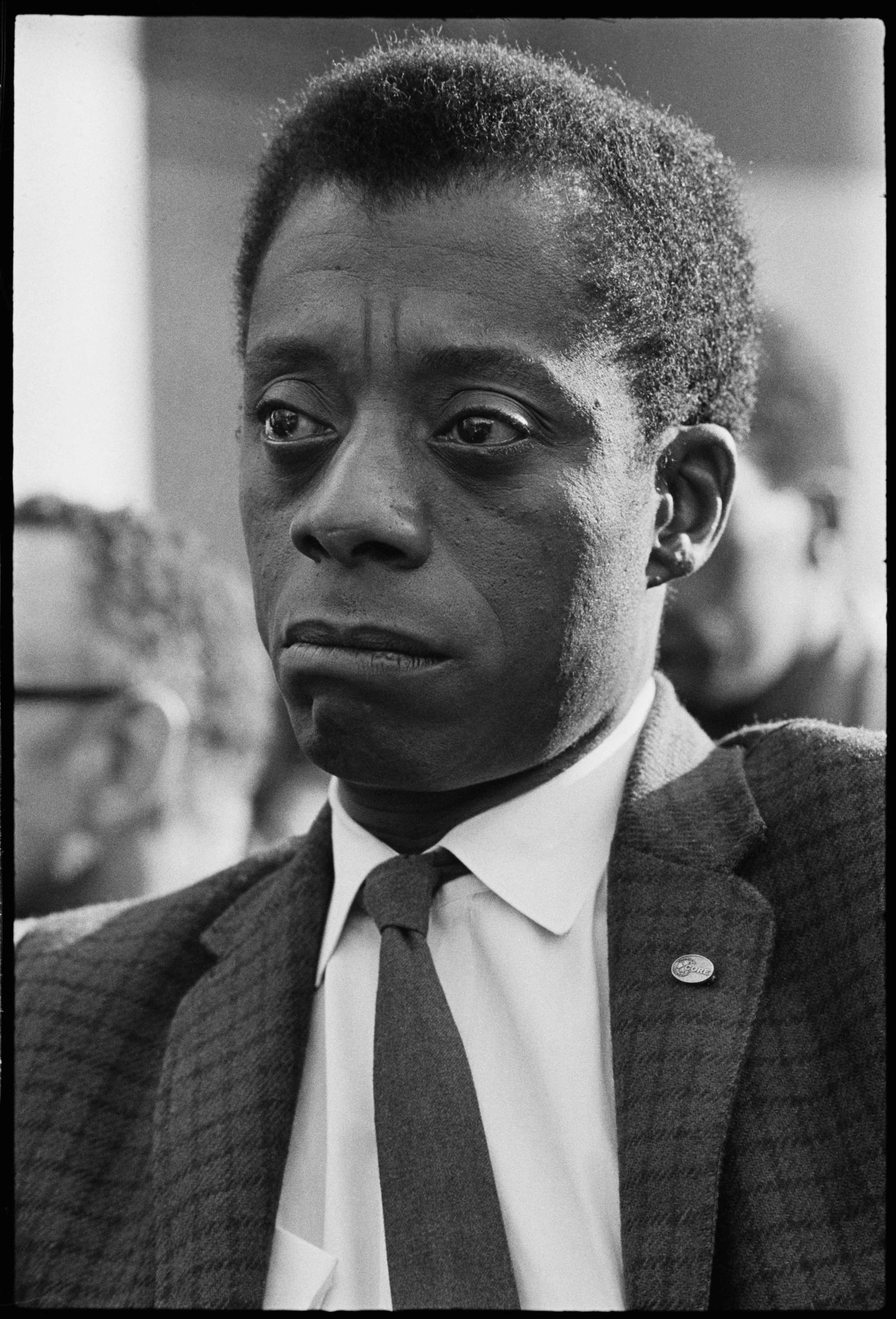
"The victim who is able to articulate the situation of the victim has ceased to be a victim: he or she has become a threat."
James Baldwin refused to ask for permission to be human. His writing and public speaking insisted that civil rights were not a gift white America could bestow on Black people, but a complete reordering of society from its foundations.
Baldwin's analysis cuts to the heart of Article I — Inherent Worth: a person's dignity is inviolable, regardless of what the state or society says. He also understood that the work of liberation is spiritual. Not in a cheap, comforting sense, but as a deep, demanding moral wrestling.
Baldwin's voice guides us when we find ourselves exhausted by incrementalism and hungry for the truth that only fire can bring. His insistence on love as a political force, not a sentimental one, echoes through our entire Charter.
Connection to Our Charter
James Baldwin's unwavering commitment to human dignity embodies Article I's principle of Inherent Worth. His understanding of liberation as spiritual work informs our approach to political ministry, while his rejection of incrementalism challenges us to pursue transformative change rather than superficial reforms.
Further Reading & Resources
-
The Fire Next Time (1963) – PDF
James Baldwin's seminal work on race, religion, and the American condition.
-
Baldwin's 1965 debate with William F. Buckley at Cambridge
Historic debate on the American Dream and racial justice.